The Winter Wedding Training Timeline, Month by Month

Quick Answer: A winter wedding means the final three months of preparation fall across the darkest, busiest, most disrupted stretch of the year. The plan that works runs the hardest training early - months six to three - and treats the final eight weeks as maintenance and dress-fitting stability rather than a push. Fittings are the real constraint: significant body change after a fitting means alterations, so the last six weeks should hold steady, not transform.
The wedding is in January. Which means the final push lands somewhere between the office party and your mother-in-law’s visit.

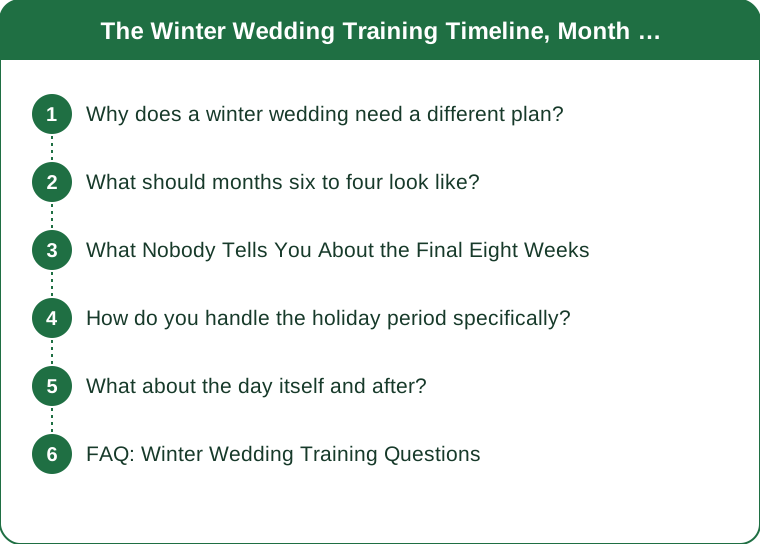
Why does a winter wedding need a different plan?
The final months land in the season with the worst adherence rates. Dark mornings, dark evenings, holidays, travel, illness season, and a social calendar that fills up - the last twelve weeks before a winter wedding are structurally the hardest twelve weeks of the year to train consistently.
Summer wedding plans front-load the easy season and back-load the hard work. A winter timeline has to invert that: do the demanding block while daylight and routine still exist, and coast on maintenance when they do not.
Dress fittings usually happen at the worst moment. Final fittings are commonly six to eight weeks out, which lands squarely in the holiday period, and any body change after that fitting means paying for alterations or wearing something that does not fit as intended.
Winter illness genuinely disrupts training. A week lost to a virus in a maintenance block costs nothing; a week lost from a peak block costs a chunk of the plan. Building the hard work earlier is partly an insurance decision.
And the psychological load is different. Winter weddings compress planning into a season that already has demands on it, and a training plan that adds stress at that point is the one that gets abandoned.
What should months six to four look like?
This is the block where the actual training happens. Three to four sessions a week, progressive resistance training, with load increasing on a schedule. Nothing about this block is bridal-specific - it is simply good training done consistently.
Prioritise compound lifts. Squats, deadlifts or hip hinges, presses, rows, and carries. These build the most across the whole body per hour spent, and hours are the scarce resource.
Add cardiovascular work you actually enjoy two or three times a week. Enjoyment is not a soft consideration here; it is the variable that predicts whether the plan survives November.
Establish the eating pattern now, not in month two. Adequate protein, enough food to support training, and a repeatable structure. Aggressive restriction this early is what causes the classic pattern of losing weight, stalling, and rebounding right before the wedding.
Build the habit around the darkest hours deliberately. If you plan to train in the evening, test that in October when it is dark at five, not in a bright September that misleads you.
And book the first dress fitting knowing your timeline. Communicate with the shop about whether you are actively changing shape, because they will plan alterations differently if they know.
What Nobody Tells You About the Final Eight Weeks
The final block should be maintenance, and that feels wrong. Every instinct says to push hardest at the end. In practice, the last eight weeks are for holding steady so that the dress fits as it did at the fitting - and for arriving rested rather than depleted.
Alterations cost money and time, and they have a deadline. Significant change after the final fitting means a rushed alteration in the busiest season for the people doing it. Holding your shape steady for six weeks is a practical decision, not a lack of ambition.
Crash dieting in the final month reliably backfires. Low energy availability affects skin, sleep, mood, and hair - all the things a wedding photograph captures - and it is the most common regret people report about wedding preparation.
Skin needs a longer lead time than fitness does. Any change to a skincare routine should happen months out, not weeks. New products close to the date is the single most avoidable wedding-week problem there is, and the same applies to any treatment.
Sleep in the final fortnight matters more than any session. It affects appearance, mood, and how the day itself feels, and it is the thing most likely to be sacrificed.
And your body will look different on the day than in any mirror check, because of nerves, salt, alcohol, and a dress that was fitted to a specific posture. Planning around a number rather than around how you feel sets up a difficult week.

How do you handle the holiday period specifically?
Aim for two sessions a week, not four, and call that success. A maintenance block genuinely maintains - strength and fitness hold well at substantially reduced volume for a few weeks, and lowering the target is what keeps the streak alive.
Keep sessions short and full-body. Thirty to forty minutes covering a squat, a hinge, a push, and a pull is enough to maintain. Long sessions do not survive December.
Walk, especially on the days you cannot train. It is the most robust habit through a disrupted period, it needs no equipment, and it holds a great deal of the base together.
Do not attempt to lose weight through the holidays. Maintaining through a period of social eating is a genuine achievement, and treating maintenance as the goal removes the all-or-nothing pattern that ends with abandoning everything until January.
Protect sleep over training when they conflict. In a compressed, stressful period, sleep does more for how you look and feel than the session you would have swapped it for.
And plan the week of the wedding as rest. Light movement, a walk, some mobility work. No new activities, no first-time classes, and nothing that could produce a sore muscle, a blister, or an injury in the last seven days.
What about the day itself and after?
Eat breakfast, and make it a real one with protein. The most common wedding-day physical complaint is faintness from not eating, in a warm room, in a fitted dress, after several hours of nerves.
Hydrate through the day and pace alcohol against water. This does more for how the evening feels than anything in the preceding six months.
Wear in your shoes properly beforehand - several hours of standing in unworn shoes is the injury most likely to actually happen on the day.
Do five minutes of gentle movement in the morning. Shoulder rolls, gentle stretching, a short walk. It settles nerves, and it beats standing still and waiting.
Plan what happens the week after, before the wedding. The post-wedding drop-off is close to universal, and the people who keep training are the ones who had a session booked for the week after before the day arrived.
And keep the perspective the whole thing deserves. Training for a wedding is worth doing because being stronger and fitter is good, and the marriage is not improved by a dress size. If preparation is producing anxiety about food or your body, that is worth talking to a professional about - and it is far more common than anyone admits. This is general information, not medical advice.
FAQ: Winter Wedding Training Questions
When should I start training for a winter wedding?
Six months out, with the demanding block running from months six to four while daylight and routine still exist. The final eight weeks land in the holiday period and should be maintenance rather than a push - both because adherence collapses then and because dress fittings need a stable shape.
How close to the wedding should I stop trying to change my body?
By the final fitting, typically six to eight weeks out. Significant change after that means alterations, which are expensive and rushed in the busiest season. Holding steady for the last six weeks is a practical decision, not a lack of commitment.
How do I keep training through the holidays before a wedding?
Drop to two short full-body sessions a week and treat that as success - strength holds well at reduced volume for a few weeks. Walk on the other days, protect sleep over training when they conflict, and do not attempt weight loss through a period of social eating.
What should I do the week of the wedding?
Rest, walk, and gentle mobility only. No new classes, no first-time activities, nothing that could cause soreness, a blister, or an injury. Wear in your shoes well beforehand, eat a real breakfast with protein on the day, and book a training session for the week after.
TL;DR:
- A winter wedding puts the final twelve weeks in the worst season for consistency - so front-load the hard training.
- Months six to four: three or four progressive resistance sessions a week, compound lifts, established eating pattern.
- Final eight weeks: maintenance. The dress was fitted to a shape, and change after the fitting means alterations.
- Through the holidays: two short full-body sessions a week is success; walk on the other days.
- Protect sleep over training when they conflict - it does more for how you look and feel in a compressed, stressful period.
- Wedding week is rest, gentle movement, and worn-in shoes. Book a session for the week after, before the day.
Stronger and fitter is the goal worth having. This is general information, not medical advice.
Keep Reading
This article is for general informational and styling purposes only. Fit, sizing, and product availability may vary.