When Should You Actually Start Working Out Before Your Wedding? The Timeline That Prevents Fitting Panic
Quick Answer: Visible strength and posture changes typically need 8-12 weeks of consistent training; meaningful body composition shifts need 12-16+ weeks. Starting exactly 12 weeks out, with a taper in the final 2 weeks, avoids both the panic-start and the pre-wedding plateau.
You’ve seen the ‘8-week bridal workout plan’ everywhere. Here’s the catch: 8 weeks is enough to notice posture and some tone, but it’s tight for anything more — and starting too early has its own problem nobody mentions.
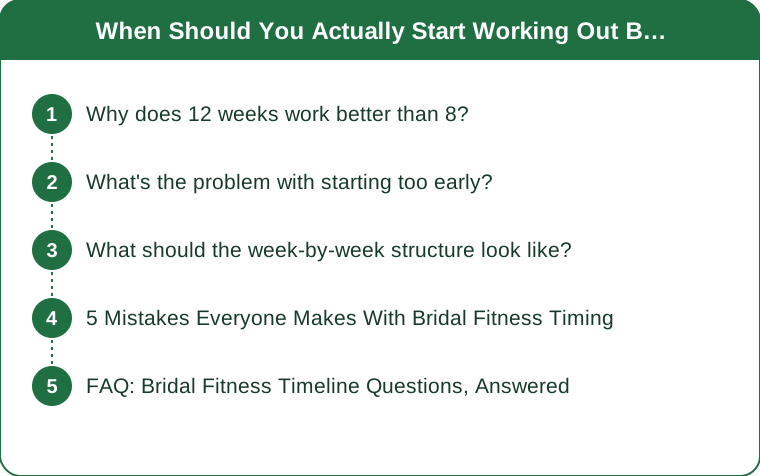
Why does 12 weeks work better than 8?
Strength adaptations follow a fairly predictable timeline: neuromuscular improvements (feeling stronger, better form) show up in weeks 1-4, visible muscle tone starts weeks 4-8, and noticeable composition change (if that’s a goal) generally needs 10-16 weeks minimum.
An 8-week plan captures the first two phases but cuts off right as the third is starting — which is exactly when people feel like ‘nothing’s happening’ and either quit or overtrain in a panic.
What’s the problem with starting too early?
This is the mistake nobody warns about: starting a hard program 16-20+ weeks out often means you peak physically around week 12-14 — then either plateau, get bored, or pick up a minor overuse injury from months of high intensity before the actual event.
The fix isn’t starting later — it’s periodizing: build for 8-10 weeks, then shift to a maintenance phase (same frequency, lower intensity) until 2-3 weeks out, then taper.

What should the week-by-week structure look like?
Weeks 12-9 (Build): 3-4 sessions/week — 2 strength (full body), 1-2 cardio or conditioning. Focus areas: back/shoulders (for dress necklines), core, glutes.
Weeks 8-5 (Intensify): Same frequency, add intensity — heavier strength loads, interval cardio. This is where visible change compounds.
Weeks 4-2 (Maintain): Hold frequency, dial intensity back 20-30% to avoid burnout and manage stress as planning ramps up.
Final 2 weeks (Taper): Light movement only — walking, easy strength, stretching. Prioritize sleep and hydration over any workout intensity; this is when skin, energy, and stress levels matter most for how you’ll actually look and feel.
5 Mistakes Everyone Makes With Bridal Fitness Timing
1. Starting a brand-new intense program under 6 weeks out — high injury risk with zero recovery buffer before the day.
2. Scheduling the hardest workouts in the final week — this is when you need energy for logistics, not DOMS.
3. Drastic diet changes alongside new training — stacking two major stressors tanks both energy and results.
4. Ignoring sleep during the planning crunch — poor sleep blunts strength gains more than an extra gym session adds.
5. Comparing your week 4 to someone else’s week 12 photos — timelines from social media rarely disclose the actual starting point.
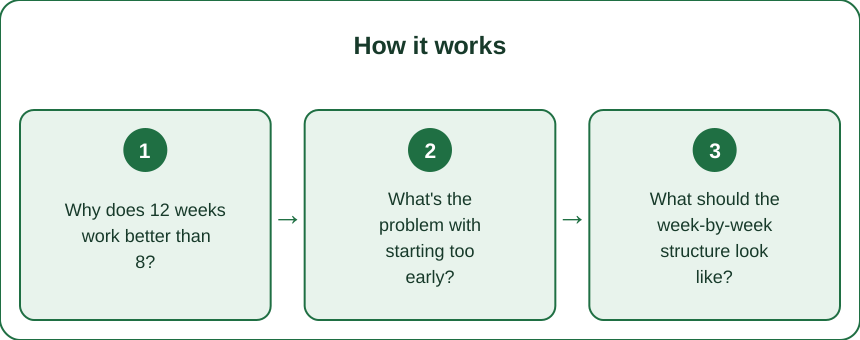
FAQ: Bridal Fitness Timeline Questions, Answered
Is 6 weeks enough time to see any change?
You’ll likely notice posture, energy, and how clothes sit differently — but significant visible composition change in 6 weeks is uncommon and chasing it risks overtraining right before the wedding.
Should I change my workout in the final week?
Yes — taper to light activity only. This is standard practice before any major event and protects your energy for the day itself, not just your physique.
What if my dress fitting is earlier than 12 weeks out?
Schedule the fitting knowing further changes are still coming, and tell your seamstress your timeline — most bridal shops build in a final fitting 2-3 weeks before the wedding specifically for this reason.
TL;DR:
- 12 weeks out is the sweet spot — enough time for real change, not so early you plateau
- Structure: build (weeks 12-9) → intensify (8-5) → maintain (4-2) → taper (final 2)
- Never start a brand-new hard program in the final 6 weeks — injury risk outweighs benefit
- Sleep and stress management matter as much as workouts during the planning crunch
Start the clock at 12 weeks, not the wedding date panic point — your fitting photos will thank you.
Keep Reading
This article is for general informational and styling purposes only. Fit, sizing, and product availability may vary.