Your Wedding Countdown Fitness Timeline

Somewhere between the venue deposit and the seating chart, a thought arrives: I should probably start working out. Great instinct, terrible timing pressure. The version of this that works looks nothing like the version that gets sold in the six weeks before a wedding.
Quick Answer: Work backward from your date in four phases. Six-plus months out, build a base of 3–4 sessions a week mixing strength, cardio, and mobility. Two to three months out, keep the same routine and add focused work on whatever your dress showcases. The final month, hold steady — no new programs. The final week, drop the intensity entirely and prioritize sleep, water, and gentle movement.

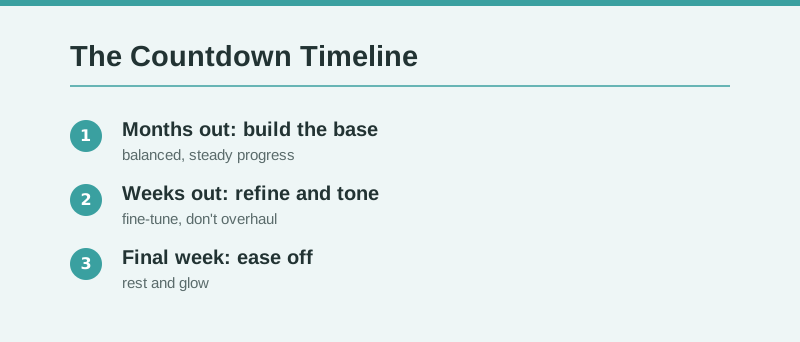
Six Months Out: What Should You Build First?
Consistency. Not intensity, not a program with a name — just the habit of showing up three or four times a week.
A realistic weekly structure:
- 2 strength sessions — full body, compound movements (squat, hinge, push, row), 3 sets of 8–12
- 1–2 cardio sessions — anything you’ll actually do. A 30-minute brisk walk counts
- 1 mobility session — 20 minutes of stretching or a yoga class, ideally on a rest day
- Daily walking — the unglamorous baseline that does more than most people credit
This phase is about making exercise a normal part of the week rather than a project. Six months of moderate consistency beats six weeks of heroics by an enormous margin, and it leaves you energized during the planning rather than depleted by it.
One measurable target: if you can add weight or reps to your main lifts every two to three weeks, the base is building correctly.
Three Months Out: What Changes?
Very little, and that’s the point. You refine; you don’t overhaul.
Keep the same weekly structure and add emphasis where your dress actually shows. A backless gown means rows and rear delts. Strapless means shoulders and upper back. Fitted through the waist means core work and consistent posture practice.
What “refine” means concretely:
- Add one accessory exercise per session targeting your dress’s focus area
- Push the weight up slightly on your main lifts rather than adding more sessions
- Keep protein steady across the day, since that’s what supports the training you’re doing
What refine does not mean: starting a new program, cutting calories sharply, adding a fifth or sixth session, or trying a class you’ve never done. Every one of those introduces soreness, fatigue, or injury risk at exactly the wrong time.
This is also the window for your first dress fitting, which makes it a good moment to stop changing things dramatically. A body that’s shifting week to week is a tailor’s least favorite problem.

5 Mistakes Everyone Makes
- Starting a crash diet in the last month. Low energy shows up in your skin, your sleep, and your mood — three things that photograph — and it makes your final fitting unreliable.
- Adding sessions instead of adding effort. Going from four workouts to six usually produces fatigue rather than progress. Progress comes from load, not volume.
- Trying something new in the final weeks. A first spin class three weeks out buys you a week of soreness and zero adaptation.
- Training hard the week of. You cannot gain fitness in seven days, but you can absolutely arrive tired.
- Measuring everything by the scale. Strength training changes body composition in ways the scale is genuinely bad at detecting. How clothes fit is a better signal.
The third one catches nearly everyone, because new-thing enthusiasm peaks exactly when the calendar has no room for recovery.
What Should the Final Week Look Like?
Deliberately easy. The work is done; now let your body show it.
- Days 7–4: two light sessions at most, well below your usual effort. Long walks are ideal
- Days 3–1: gentle stretching, mobility, and sleep. No lifting, no classes, nothing new
- Throughout: consistent water, familiar meals, and an actual bedtime
Skip anything that could leave you sore, bruised, or puffy — that includes a first-time massage that’s too deep, a new supplement, and any treatment you haven’t had before.
Comfort helps here. Having a squat-proof high waist legging you already trust means your last few sessions and your morning stretches happen without a second thought, which is exactly the level of friction you want in a week with a hundred other decisions in it.
Why Does Overall Wellbeing Matter More Than the Workouts?
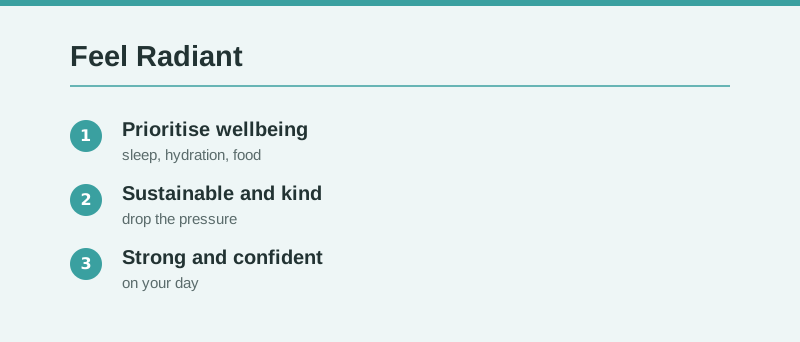
Because how you look on the day is driven substantially by sleep, hydration, and stress — and those are the three things wedding planning attacks first.
Seven to nine hours of sleep does more for skin and energy than any additional workout. Steady hydration does more for how you feel in a fitted dress than a week of extra cardio. Managing planning stress — delegating, scheduling downtime, saying no to one thing — protects both.
Treat fitness as one part of a larger picture rather than the whole strategy. A rested, well-fed, reasonably calm person photographs better than an exhausted one who trained harder.
A note on scope: this is general fitness guidance, not medical or nutritional advice. If you’re managing a health condition, recovering from an injury, pregnant, or considering a significant change to how you eat, talk to your doctor or a registered dietitian first — especially before anything restrictive.
FAQ
How far in advance should I start working out for my wedding?
Six months is comfortable and produces visible, sustainable change. Three months works well if you’re consistent. Under six weeks, shift the goal from changing your body to feeling strong, rested, and energized — that’s genuinely achievable.
What if my wedding is in four weeks and I haven’t started?
Start anyway, but with modest expectations. Three moderate strength sessions a week plus daily walking will make you feel noticeably better and more energized. Skip anything drastic; the downside risk is much larger than the upside this close in.
Should I change how I eat before the wedding?
Focus on adding rather than restricting — enough protein, enough vegetables, enough water. Restrictive dieting close to a wedding tends to cost you energy and sleep, and it makes final fittings unpredictable.
TL;DR:
- 6+ months out: build consistency — 2 strength, 1–2 cardio, 1 mobility session weekly
- 3 months out: refine, don’t overhaul. Add emphasis where your dress shows
- Final month: hold steady. No new programs, no crash diets, no added sessions
- Final week: light movement, real sleep, steady water. Nothing new, nothing deep-tissue
- Sleep, hydration, and stress management matter as much as any workout
- The scale is a poor measure — use how clothes fit instead
The best wedding fitness timeline is realistic, gradual, and kind to yourself. Build early, refine gently, taper properly, and look after the whole picture — you’ll arrive strong, rested, and glad you skipped the crash version.
Keep Reading
This article is for general informational and styling purposes only. Fit, sizing, and product availability may vary.