Wedding Body Timeline: When to Start (and What to Do)
Quick Answer: Start wedding fitness 3–6 months out if you can. Six-plus months is the ideal window for building habits — strength training 2–3x a week, enjoyable cardio, consistent sleep. At 3–4 months, stay consistent and book dress fittings. In the final 1–2 months, maintain rather than start anything new. The last two weeks are for rest, hydration and sleep, not intensity.
“When should I start working out for the wedding?” is one of the most-Googled questions brides ask, and the honest answer isn’t a number of weeks.
It’s this: sooner means calmer. The earlier you begin, the less you have to do on any given day — and the less the whole thing occupies space in a year that already has plenty going on.
Here’s the month-by-month version, without the panic.

Why does starting earlier make everything easier?
Because effort per week is inversely proportional to runway.
Six months out, “consistent” looks like three workouts a week and normal meals. Six weeks out, trying to compress the same change means restriction, exhaustion, and stress arriving exactly when your calendar is already full of seating charts and vendor emails.
Slow and steady genuinely wins here — and the version of you that slept well and trained calmly for six months photographs better than the version who crash-dieted for six weeks. That isn’t motivational filler; sleep and stress show up on your face far more visibly than a few pounds do.
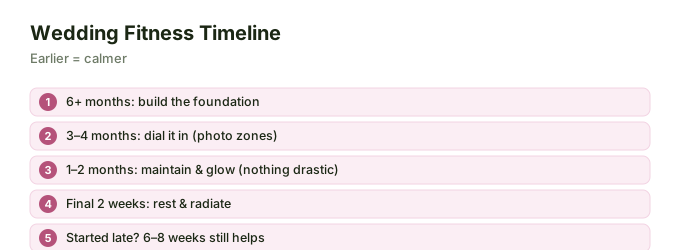
The month-by-month wedding fitness timeline
6+ months out: build the foundation
The dream window. Establish consistent habits — strength training 2–3 times a week, cardio you actually enjoy, and a real sleep routine. There’s no rush and no need for anything extreme. This is where meaningful change happens almost easily, because you have time on your side.
3–4 months out: dial it in
Habits are set, so now you stay consistent and progress gradually — a little more weight, one more set, slightly longer sessions. Focus on your “photo zones” if you want to: arms, back, shoulders and posture. This is also roughly when dress fittings begin, which is one more reason not to be making dramatic changes after this point.
1–2 months out: maintain and glow
Do not start anything drastic now. Maintain the routine you’ve built, prioritize sleep and hydration, and add extra care for skin and stress. Steady, not crash. Changing your body composition significantly this late tends to mean altering a dress that already fits.
The final 2 weeks: rest and radiate
Ease off intensity, not off movement. Gentle workouts, excellent sleep, plenty of water, and active stress management. Overtraining now shows up in your skin, your sleep and your energy — all three of which are far more visible on the day than muscle definition is.
Wedding week: just feel good
Light movement, hydration and calm. The work is done. Let yourself enjoy the part you’ve been planning for.

What if you’re starting late?
Don’t panic — and don’t compensate with something extreme.
Even 6–8 weeks of consistent strength work and steady habits makes a real, visible difference to how you feel and how you carry yourself. Strength training in particular delivers noticeable posture and tone changes on that timeline.
What doesn’t work: crash dieting in the final weeks. It costs you energy, sleep quality and skin clarity — and it risks a dress that no longer fits the way it was tailored to.
The non-negotiables, on any timeline
- Sleep — the single most underrated part of looking and feeling good
- Hydration — affects skin, energy and bloating more than most supplements do
- Stress management — for your face and your sanity
- Kindness to yourself — you’re getting married, not auditioning
This is general wellness information, not medical or nutrition advice. If you’re managing a health condition, recovering from an injury, or considering significant dietary changes, talk to your doctor or a registered dietitian before you start.
5 Mistakes Everyone Makes With Wedding Fitness
- Starting too late and going too hard. Six weeks of extreme effort produces stress, poor sleep and dull skin — three things that photograph badly.
- Changing your body after the fittings start. Dresses are altered to the body you had at the fitting. Significant changes after that mean more alterations, more cost, more stress.
- Cutting calories and adding training at the same time. That combination tanks energy and recovery. Pick one lever, not both.
- Trying a new treatment or diet in the final two weeks. Skin reactions and digestive surprises have terrible timing. Nothing new after the one-month mark.
- Skipping sleep to fit everything in. This is the one that actually shows. Sleep affects skin, under-eye puffiness, mood and energy more than any workout does — and it’s the first thing sacrificed when the planning gets heavy.
What a typical training week looks like
If you want something concrete rather than a philosophy, here’s a workable default for the building phase:
- 2–3 strength sessions, 30–45 minutes each, covering the whole body rather than isolating “problem areas.” Squats or lunges, a push, a pull, and some core work covers it.
- 2 cardio sessions of something you genuinely like — walking, cycling, dance, swimming. Enjoyment is what keeps it on the calendar in month four.
- 1 gentle day — yoga, stretching, a long walk. This is recovery, not a wasted slot.
- Rest as needed. Six days of training with poor sleep produces worse results than four days with good sleep.
Progress by adding a little weight or one more set every couple of weeks rather than adding more days. More days is how people burn out in month two.
Frequently Asked Questions
How many months before a wedding should I start working out?
Three to six months is the practical sweet spot, and six-plus is ideal. That gives you enough runway to build habits gradually, see real results from strength training, and finish with a calm maintenance phase instead of a scramble.
Is 8 weeks enough time to get in shape for a wedding?
It’s enough to feel noticeably stronger and more energetic, especially with consistent strength training two to three times a week. It’s not enough for a dramatic transformation, and attempting one that late usually backfires on your sleep, skin and dress fit.
What should I do the week of my wedding?
Light movement, good sleep, plenty of water, and as little added stress as you can manage. Skip hard workouts, new treatments, and any dietary experiment — the goal for that week is feeling rested, not squeezing out one more percent.
TL;DR:
- Start 3–6 months out if possible; earlier means less to do per week and far less stress
- 6+ months: build habits — strength 2–3x weekly, enjoyable cardio, consistent sleep
- 3–4 months: stay consistent, progress gradually, and book dress fittings
- 1–2 months: maintain only — don’t start anything drastic once the dress is being altered
- Final 2 weeks: ease intensity, prioritize sleep and hydration, and let yourself arrive rested
Keep Reading
This article is for general informational and styling purposes only. Fit, sizing, and product availability may vary.