The Last 72 Hours Before the Wedding: What Actually Changes How You Look
Quick Answer: Fat loss in 72 hours is negligible. What genuinely changes in that window is water retention, digestive fullness, sleep quality, and skin condition — all of which are influenced by sodium, alcohol, fibre changes, and sleep. Keep everything the same as usual, avoid all new products and new workouts, and prioritise sleep over any training decision.
Three days out, someone will suggest a cleanse, a hot yoga class, or skipping carbs.
All three make you look worse on the day. Here is what actually moves in 72 hours and what to do with it.
This is general information, not medical advice.

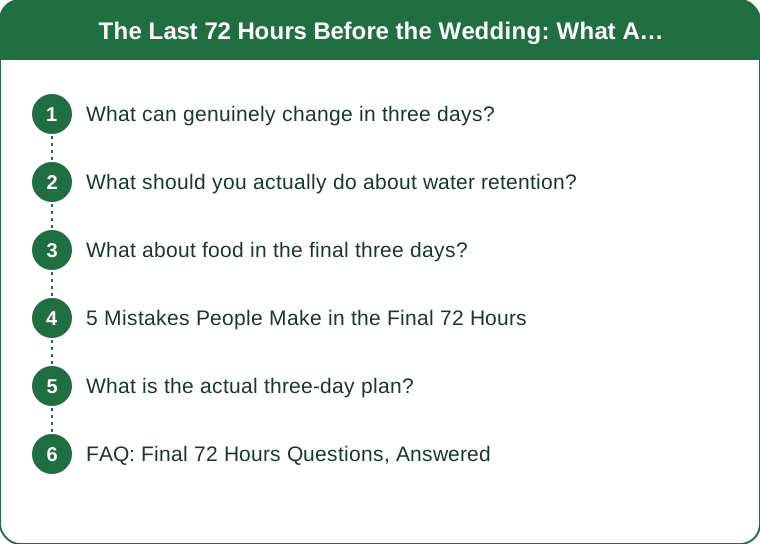
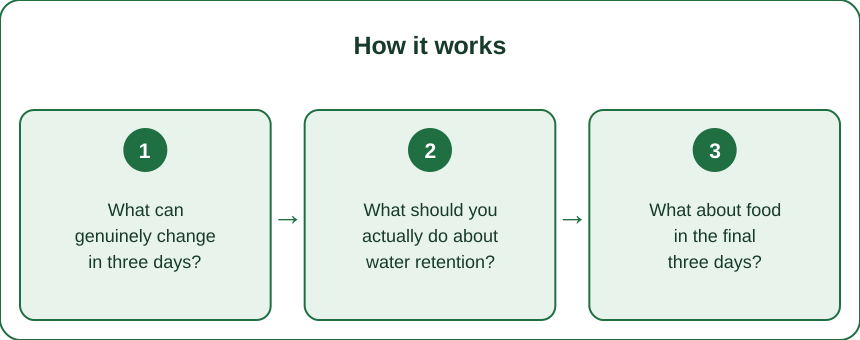
What can genuinely change in three days?
Four things, and none of them is body fat.
Water retention. This is the big one and it can shift a visible amount in either direction within 48 hours. Sodium, alcohol, sleep debt, stress hormones, travel, and menstrual cycle timing all move it.
Digestive volume. How much is in your gut at any moment varies substantially, and it changes with fibre intake, meal timing, travel, and stress. Most of what people read as bloating in wedding week is this.
Skin. Inflammation, redness, and breakouts respond quickly to stress, sleep, alcohol, and — most of all — new products. Skin can genuinely look better or worse in three days.
Sleep-related appearance. Under-eye puffiness, facial swelling, and colour are directly downstream of the previous two nights.
What cannot change: body fat, muscle, and measurements in any way that a garment will register. A very aggressive three-day deficit might produce a pound of weight change, almost all of it water and gut content, and the cost is looking drained.
The strategic conclusion is unglamorous. Your job in the last 72 hours is to avoid making things worse, not to improve anything.
What should you actually do about water retention?
Counterintuitively, mostly nothing dramatic.
Drink normally. Restricting fluid causes the body to retain more, not less. Keep water at your usual intake — around 2 to 3 litres for most people including food — and do not load up either.
Keep sodium consistent. Not low, consistent. A sudden sodium drop causes its own fluid shifts and leaves you feeling flat. What causes visible retention is a spike — the rehearsal dinner, the salty travel food, the two nights of restaurant meals. Be moderate rather than restrictive.
Alcohol is the biggest single lever. It causes fluid shifts, disrupts sleep architecture, and shows up in the face. If you want one specific rule for the 72 hours, it is to keep alcohol minimal and to stop entirely the night before.
Sleep. Poor sleep raises cortisol, which increases retention. This is the mechanism by which stress makes you look puffy, and it is why the sleep advice is not a soft recommendation.
Move gently. Walking helps fluid movement more than any intense session. A 30-minute walk each of the three days is genuinely useful. A hard session two days out is not.
What about food in the final three days?
Keep it recognisable. This is the single most important rule and the one most often broken.
Do not change your fibre intake in either direction. A sudden increase produces gas and distension. A sudden decrease produces its own problems. Whatever you normally eat, keep eating.
Do not introduce new foods. No new supplement, no cleanse tea, no unfamiliar cuisine if you can help it. The risk of a digestive reaction is small per item and it is the one risk that can genuinely ruin the day.
Eat regular meals. Skipping to save room is the classic error and it produces low blood sugar, irritability, and worse decisions later.
Protein at each meal keeps you steady and does not cause fluid shifts.
The morning of: something you eat regularly, moderate in size, with protein. Not a large breakfast, not nothing. Many people cannot face much, in which case something small and familiar every couple of hours works better than one attempt at a proper meal.
Have food available at the venue. The gap between getting ready and eating is routinely six or seven hours and it is the most common cause of the mid-afternoon crash.

5 Mistakes People Make in the Final 72 Hours
1. A new workout. Trying a class you have never done, or going unusually hard, produces soreness that peaks at 24 to 48 hours — exactly on the day. Whatever you do, it should be something your body has done before.
2. A new skincare product or a facial. Any facial involving extraction or actives should be at least two weeks out, not three days. New products are the most common cause of a wedding-week skin reaction, and the risk is entirely avoidable.
3. Restricting food. It causes low energy, poor decisions, and the flat, drained look that reads clearly in photographs. It also does not change your measurements.
4. Trying to fix sleep with a sedative you have not used before. Same logic as the skincare. Nothing new in this window.
5. Scheduling the last fitting too late. The fitting should be far enough out that any alteration can be done calmly. A fitting inside 72 hours leaves no room, and the third mistake on this list becomes very tempting when it happens.
What is the actual three-day plan?
Day minus 3
- Normal food, normal timing
- Light training only — a walk, mobility, or an easy version of something familiar
- Last chance for any leg or arm session, kept moderate
- Alcohol minimal
- Prioritise a full night’s sleep; this is the night that matters most because two nights out has a bigger effect on how you look than one night out
Day minus 2
- Normal food
- 30-minute walk
- No training beyond that
- Hydrate normally
- Get everything physically packed and laid out, because logistics stress is sleep stress
Day minus 1
- Normal food, moderate portions, nothing new
- Gentle walk, ideally outside in daylight in the morning
- No alcohol
- Do not weigh yourself
- Wind down early; screens off an hour before bed
- Set out breakfast for the morning
The day
- Familiar breakfast with protein
- Water steadily, not in large volumes at once
- Snacks packed and accessible
- One five-minute breathing or stretching moment before anything starts
Notice how much of this is subtraction. That is the correct shape for the last three days.
FAQ: Final 72 Hours Questions, Answered
Should I train at all in wedding week?
Light, familiar movement, yes — it helps sleep, mood, and fluid movement. Anything new or unusually hard, no. Walking is the safest and one of the most useful options.
What about the sauna or a hot bath to lose water weight?
It removes water briefly and it comes straight back, usually with rebound retention. It also disturbs sleep if done late. Not worth it.
My period is due that week. What can I do?
Plan for it rather than fight it. Expect some retention, keep sodium moderate, keep training light, and choose the underlayer accordingly. If you are considering shifting your cycle with hormonal contraception, that conversation needs to happen with a doctor months in advance, not in the final week.
Is it too late to do anything useful?
For your body, essentially yes, and that is genuinely good news. It means the work is done and the last three days are about sleep, familiar food, and logistics. That is a much easier job than the one people give themselves.
What if I have not trained at all?
Then the last 72 hours change nothing either way, and the advice is identical. Sleep, eat normally, walk, and skip the panic session — it will only make you sore.
TL;DR:
- Body composition does not change in 72 hours — water, digestion, sleep, and skin do
- Keep sodium, fibre, and food consistent, not restricted
- Alcohol and sleep are the two biggest levers on how you look
- Nothing new: no new workout, no new product, no new supplement, no facial
- Walk daily, do not weigh yourself, and have food available at the venue
- The correct plan for the last three days is mostly subtraction
The work that mattered happened in the months before. The final three days are about arriving rested, fed, and not sore — which is a much smaller and much more achievable job than the one most people try to do.
Keep Reading
This article is for general informational and styling purposes only. Fit, sizing, and product availability may vary.