How to Train for a Wedding Dress Fit Without Crash Dieting
Quick Answer: To fit a wedding dress well, train for posture, shoulder strength and core control, and eat enough protein and fiber to keep energy steady. Crash dieting usually backfires with bloating, low energy, and a dress that fits differently by the big day. Start 16 to 20 weeks out with three full-body strength sessions a week, two short walks, and a plan to drop only a small amount of body fat if needed. Schedule fittings at the right stages, and give the seamstress time to adjust for a natural shift.
Your fitting is in six weeks, and the boutique consultant mentions that the bodice might feel snug. You go home and google “how to lose 10 pounds fast before a wedding.” Every result promises a crash plan.
Most of those plans fail the same way. They leave you tired and puffy, and the dress you tried on a month ago feels different on the day. There’s a better plan.
What actually changes the way a dress fits?
A wedding dress is cut to your measurements at specific points: bust, waist, hips, back, and shoulder width. Small changes in body composition can shift those points. Water retention, bloating from a restrictive diet, and changes in posture can all make the fit feel different.
Posture matters more than most brides expect. Rounded shoulders and a forward head shorten the front of the bodice and pull the straps differently. Training the upper back and core often improves how a gown sits more than dropping a few pounds does.
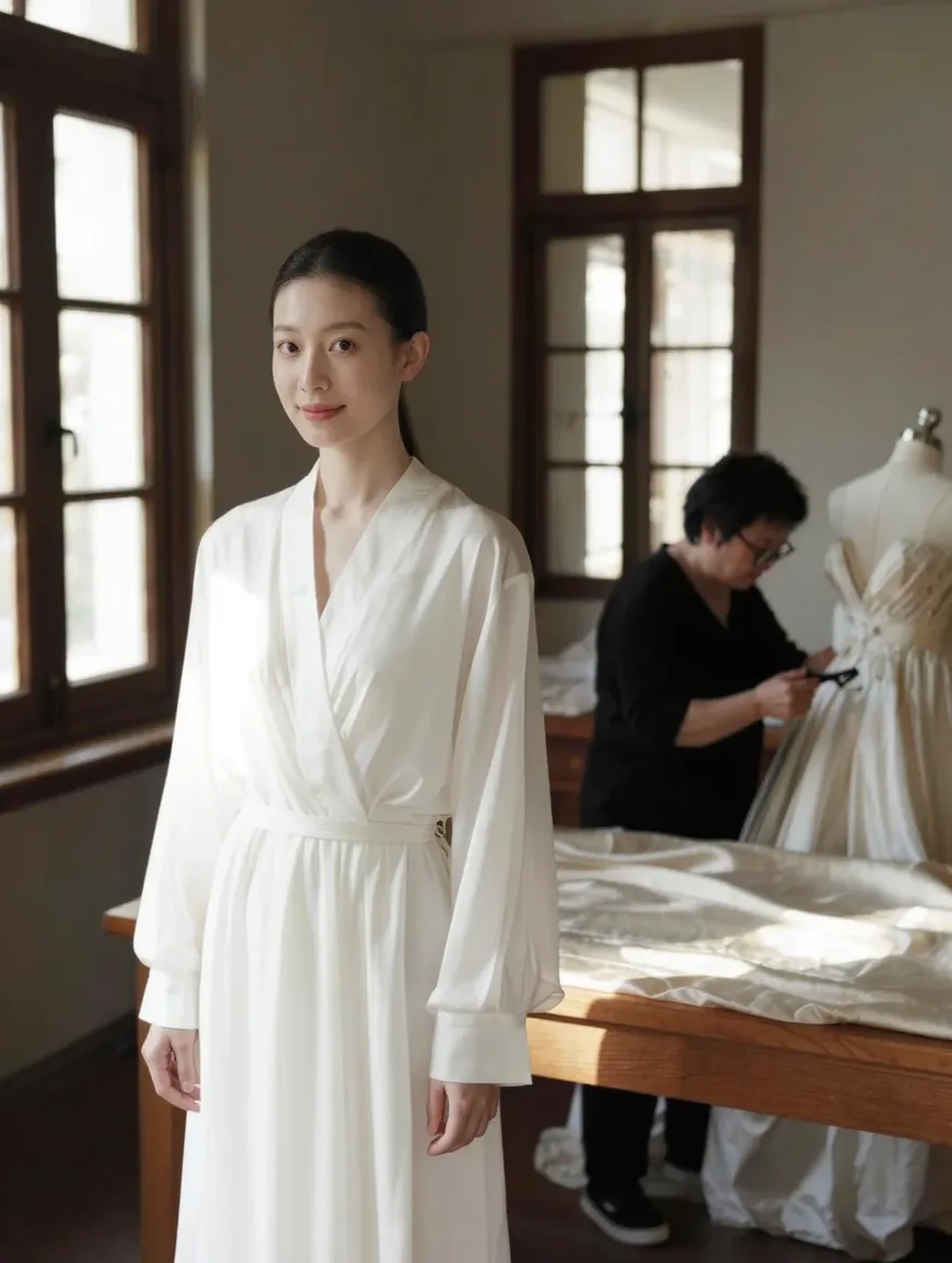
Fit also depends on the tailor. A good seamstress will adjust the bodice for your shape on the day of the final fitting. Plan for that instead of hoping the dress will magically shrink.
Myth vs Fact: The best way to fit a dress is to drop weight fast
Myth: cutting calories hard for a few weeks is the fastest route to a better fit.
Fact: a steady, moderate approach usually leaves you looking and feeling better on the day. Crash diets lower glycogen and water, cause bloating when you start eating normally, and make you tired at the moment you want to feel your best.

How should you train in the months before the wedding?
Aim for three full-body strength sessions a week and two short walks. Keep the focus on posture and control, not on sweating.
- Row with a band or cable: 3 sets of 12, to strengthen the upper back and pull shoulders back.
- Overhead press with light dumbbells: 3 sets of 10, to build shoulder support for straps and sleeves.
- Dead bug or plank variation: 3 sets of 30 seconds, for core control that supports a fitted bodice.
- Goblet squat or split squat: 3 sets of 10 per leg, for legs and glutes that keep you steady in heels.
- Wall posture hold: stand with your back against a wall for 60 seconds a day to reset your alignment.
Keep 2 reps in reserve on most sets. You want to feel stronger, not wrecked, in the weeks before the fitting.
What Nobody Tells You About Fittings and Timing
Most brides have three or four fittings. The first is usually a rough fit, the second is closer, and the last is the one that matters. Ask your boutique what the timeline looks like, and book the final fitting at least two to three weeks before the wedding so there’s time for last-minute tweaks.
Bring the shoes you’ll actually wear, and the undergarments you plan to use. Stand, sit, lift your arms, and walk around. Those small movements reveal where the dress pulls. Tell the seamstress what you’d like changed rather than hiding it.
FAQ: Wedding Dress Fit and Training, Answered
How much weight can I realistically change in four months?
Most people can make modest changes through steady training and eating, but the bigger impact on fit usually comes from posture, strength and tailoring. Use the number on the scale as one signal, not the main goal.
What should I eat while training for the fit?
Build meals around protein, vegetables, fruit, and whole grains. Protein at each meal helps keep you full and supports muscle. Keep a small calorie deficit if needed, and avoid strict cuts that leave you exhausted.
When should I get help from a professional?
If you feel lightheaded, have frequent dizziness, or are worried about your eating patterns or stress around the wedding, talk to your doctor or a registered dietitian. Support is available, and it’s a normal thing to ask for.
This is general information, not medical advice.
TL;DR:
- Dress fit depends on posture, shoulder and core strength, and how the tailor adjusts the bodice more than on a crash drop in weight.
- Crash dieting causes bloating, low energy and a fit that changes by the wedding day.
- Train three days a week with rows, overhead presses, core holds and squats, and keep 2 reps in reserve.
- Book your final fitting two to three weeks before the day, and bring the shoes and undergarments you’ll wear.
You don’t have to look like a different person to feel great in your dress. Train for strength and posture, eat enough to feel good, and let the fitting room do its job. This is general information, not medical advice.
Keep Reading
This article is for general informational and styling purposes only. Fit, sizing, and product availability may vary.